6 Months Content Writing Training & Internship

Categories: Training & Internship
Wishlist Share

About Course

This 6-month Content Writing Internship is a structured training program designed to turn beginners into skilled content writers who can produce clear, engaging, and SEO-optimized content for digital platforms.

The program follows a step-by-step learning approach, starting from basic writing principles and gradually advancing toward professional-level content creation for blogs, websites, marketing campaigns, and brand communication.

🚀 What This Internship Covers

The internship begins with the fundamentals of writing, where learners understand sentence formation, grammar usage, tone, clarity, and readability. The focus is on eliminating weak writing habits and building strong foundational writing skills.

Next, the program moves into content structure and formatting. Learners are trained to write well-organized articles, blog posts, and web pages with proper headings, flow, and audience targeting.

After that, SEO content writing is introduced. Students learn keyword usage, search intent, meta descriptions, headings optimization, internal linking, and how to write content that ranks on search engines without sounding forced or artificial.

The internship then covers different content types including blog writing, website content, product descriptions, social media content, and email writing. Each format is practiced with real examples and assignments.

In the final phase, learners work on real-world content projects where they write complete SEO-optimized articles, website pages, and marketing content. This stage simulates actual client or company work environments.

🧠 Learning Approach

This internship is practical and performance-driven rather than theory-heavy. Each module includes:

  • Structured lessons on writing concepts

  • Practical writing assignments

  • Grammar and clarity improvement exercises

  • SEO practice tasks with keywords

  • Content rewriting and optimization tasks

  • Module-based quizzes for evaluation

  • Final portfolio-based writing project

Progression is sequential, meaning learners must complete tasks and assessments before moving to the next level.

🏆 Skills You Will Gain

By the end of this internship, participants will be able to:

  • Write clear, structured, and professional content

  • Create SEO-optimized blog posts and web pages

  • Use keywords naturally without stuffing

  • Adapt writing tone for different audiences

  • Write marketing and promotional content

  • Improve grammar, readability, and flow

  • Research topics effectively before writing

  • Build content suitable for digital platforms and clients

  • Develop a professional writing portfolio

🎯 Who This Internship is For

This program is suitable for:

  • Beginners who want to start a career in content writing

  • Students from any stream interested in digital writing

  • Individuals aiming for SEO or digital marketing roles

  • Freelancers who want to improve writing quality

  • Anyone looking to build a content-based career

No prior experience is required, but consistent practice and writing discipline are necessary.

💼 Internship Outcome

After completing this internship, learners will have practical experience in professional content writing and SEO writing. They will be capable of producing structured, optimized content for websites and blogs, along with a strong writing portfolio that can be used for job applications, freelancing, or internships in digital marketing and content teams.

Show More

Course Content

Module 1: Introduction to Content Writing & Digital Writing Ecosystem
This module lays the foundation for your entire content writing journey. You will understand what content writing actually is, how it differs from general writing, and why it has become one of the most in-demand skills in the digital era. It introduces you to the ecosystem of digital content including blogs, websites, social media, and marketing platforms. You will explore how content drives businesses, improves search engine visibility, and influences user decisions. This module also helps you understand different types of content writing such as blog writing, copywriting, technical writing, and social media writing. By the end of this module, you will develop clarity about writing styles, tone, audience targeting, and professional expectations. You will also gain exposure to tools and platforms used by content writers in real-world projects. This module is essential because it builds your mindset as a professional writer rather than just someone who writes casually. It ensures that you understand the “why” behind writing before moving into the “how.”

  • What is Content Writing?
  • Types of Content Writing
  • Role of Content in Digital Marketing
  • Check what have you learnt about Content Writing Basics
  • Personal Introduction Blog

Module 2: Fundamentals of Writing Skills & Grammar Mastery
This module focuses on building the core writing skills required to become a professional content writer. Before writing blogs, SEO content, or marketing copy, it is essential to master grammar, sentence structure, punctuation, and clarity. Strong fundamentals ensure that your writing is easy to read, professional, and error-free. You will learn how to construct sentences effectively, avoid common grammatical mistakes, and use punctuation correctly. This module also introduces concepts like active vs passive voice, tone, readability, and clarity in writing. These skills are critical because even the best ideas fail if they are not communicated clearly. In real-world content writing, clients and readers expect polished and professional content. Poor grammar can reduce credibility and trust. This module ensures that you develop a strong foundation that supports all advanced writing techniques. By the end of this module, you will be able to write grammatically correct content, structure sentences effectively, and improve readability. You will also gain confidence in editing and proofreading your own work.

Module 3: Research Skills for Content Writing
This module focuses on one of the most critical skills for any content writer—research. No matter how good your writing skills are, your content will lack value if it is not backed by accurate, relevant, and well-structured information. Research ensures credibility, depth, and authority in your writing. You will learn how to find reliable sources, validate information, and organize research effectively before writing. This module also introduces keyword-based research, competitor analysis, and fact-checking techniques that are widely used in real-world content writing. In professional environments, writers are expected to deliver content that is not only engaging but also informative and trustworthy. Poor research can lead to misinformation, which can damage credibility and brand reputation. By the end of this module, you will be able to conduct structured research, extract useful insights, and transform raw information into high-quality content. This module prepares you for SEO writing, blog writing, and technical content creation in later modules.

Module 4: SEO Writing Fundamentals
This module introduces you to one of the most powerful aspects of content writing—Search Engine Optimization (SEO). SEO writing is the process of creating content that is optimized to rank higher on search engines like Google, making it easier for users to find your content. You will learn how search engines work, how keywords influence rankings, and how to structure content for better visibility. This module bridges the gap between writing and digital marketing by teaching you how to create content that is both user-friendly and search-engine-friendly. In the real world, businesses rely heavily on SEO content to drive organic traffic, generate leads, and increase conversions. Without SEO, even high-quality content may remain unseen. By the end of this module, you will understand on-page SEO techniques, keyword placement, meta tags, headings, and readability optimization. You will also learn how to balance SEO requirements with natural writing to avoid robotic content. This module is essential for becoming a professional content writer because SEO is a core skill expected in most writing jobs.

Module 5: Blog Writing & Long-Form Content Creation
This module focuses on one of the most important and in-demand skills in content writing—blog writing and long-form content creation. Blogs are widely used by businesses, educators, and creators to share knowledge, attract traffic, and build authority. You will learn how to write engaging, well-structured, and reader-friendly blog posts. This includes crafting compelling introductions, organizing content logically, maintaining flow, and writing strong conclusions. You will also understand how to keep readers engaged throughout long-form content. In real-world scenarios, blog writing is used for SEO, branding, lead generation, and audience engagement. High-quality blogs can rank on search engines, bring organic traffic, and establish credibility. This module will also teach storytelling techniques, formatting strategies, and content structuring methods that make blogs more impactful. You will learn how to break down complex ideas into simple, digestible content. By the end of this module, you will be able to write professional blog posts that are engaging, informative, and optimized for both readers and search engines.

Module 6: Copywriting & Persuasive Writing Techniques
This module introduces you to the art and science of copywriting, a highly valuable skill in content writing focused on persuasion and conversion. Unlike blog writing, which primarily informs or educates, copywriting is designed to influence readers to take action—such as clicking a link, signing up, or making a purchase. You will learn how to write compelling headlines, persuasive body content, and strong calls-to-action (CTAs). This module also covers psychological triggers, emotional appeal, and proven frameworks like AIDA (Attention, Interest, Desire, Action). In real-world scenarios, copywriting is used in advertisements, landing pages, email marketing, product descriptions, and social media campaigns. Businesses rely heavily on effective copywriting to generate revenue and improve conversion rates. By the end of this module, you will be able to craft persuasive content that not only attracts attention but also drives action. You will understand how to connect with your audience emotionally and strategically guide them toward a desired outcome.

Module 7: Social Media Content Writing
This module focuses on writing content specifically for social media platforms such as Instagram, Facebook, LinkedIn, Twitter (X), and YouTube descriptions. Social media writing is short, impactful, and highly engaging compared to long-form blog or SEO content. You will learn how to write captions, hooks, hashtags, and engagement-driven posts that capture attention within seconds. This module also explains platform-specific writing styles, tone adaptation, and audience behavior. In the real world, brands use social media content to build awareness, increase engagement, drive traffic, and promote products or services. A strong social media presence depends heavily on consistent and effective content writing. By the end of this module, you will be able to create platform-optimized posts, write viral-style captions, and understand how to engage audiences effectively through short-form content.

Module 8: Email Writing & Newsletter Content Creation
This module focuses on one of the most powerful direct communication channels in digital marketing—email writing. Email content is used for marketing campaigns, newsletters, onboarding sequences, product updates, and customer engagement. You will learn how to write professional emails that are clear, structured, and persuasive. This includes subject line writing, email body structuring, tone management, personalization techniques, and call-to-action placement. In real-world business environments, email marketing is one of the highest ROI channels. Companies use emails to retain customers, nurture leads, and increase conversions. Poor email writing can lead to low open rates and lost opportunities. By the end of this module, you will be able to write professional emails, design engaging newsletters, and understand email structure and psychology. You will also learn how to balance professionalism with persuasive writing.

Module 9: Editing, Proofreading & Content Quality Enhancement
This module focuses on refining and polishing content to make it professional, error-free, and publication-ready. Writing a draft is only the first step—editing and proofreading transform raw content into high-quality, publishable material. You will learn how to identify grammatical errors, improve sentence structure, enhance clarity, remove redundancy, and ensure consistency in tone and style. This module also introduces self-editing techniques and quality-check frameworks used by professional writers and editors. In real-world content writing, even great ideas can fail if the content is poorly edited. Clients, companies, and publishers expect polished writing that is easy to read and free from mistakes. By the end of this module, you will be able to critically review your own writing, improve readability, and ensure your content meets professional standards. You will also learn how to use editing as a skill to elevate average writing into high-impact content.

Module 10: Advanced Content Strategy & Portfolio Building
This module focuses on transforming you from a learner into a professional content writer with a strategic mindset and a strong portfolio. Writing skills alone are not enough in the industry—you must also understand content strategy, planning, and how to present your work professionally. You will learn how content strategies are built for businesses, how content calendars are planned, and how writers align content with marketing goals. This module also teaches you how to create a strong writing portfolio that helps you get internships, freelance work, or full-time jobs. In real-world scenarios, companies don’t just hire writers—they hire strategists who can think about audience, goals, SEO, and engagement. A strong portfolio becomes your proof of skill and experience. By the end of this module, you will be able to plan content strategies, design content calendars, and build a professional portfolio that showcases your writing ability effectively.

Module 11: Real-World Content Writing Project (End-to-End Professional Execution)
This final module is designed to simulate a real industry-level content writing project, where you apply everything you have learned across all previous modules. Instead of learning concepts individually, you will now combine research, SEO, blog writing, copywriting, email writing, editing, and strategy into one complete workflow. You will experience how professional content writers work in agencies, startups, and freelance environments where multiple content formats are created for a single brand. This includes planning, execution, optimization, and delivery. This module is extremely important because it transforms you from a learner into a job-ready content writer. It teaches you how to handle real client requirements, manage content pipelines, and deliver structured, high-quality writing assets. By completing this module, you will have a portfolio-ready capstone project that demonstrates your ability to work like a professional content writer in the industry.

Earn a certificate

Add this certificate to your resume to demonstrate your skills & increase your chances of getting noticed.
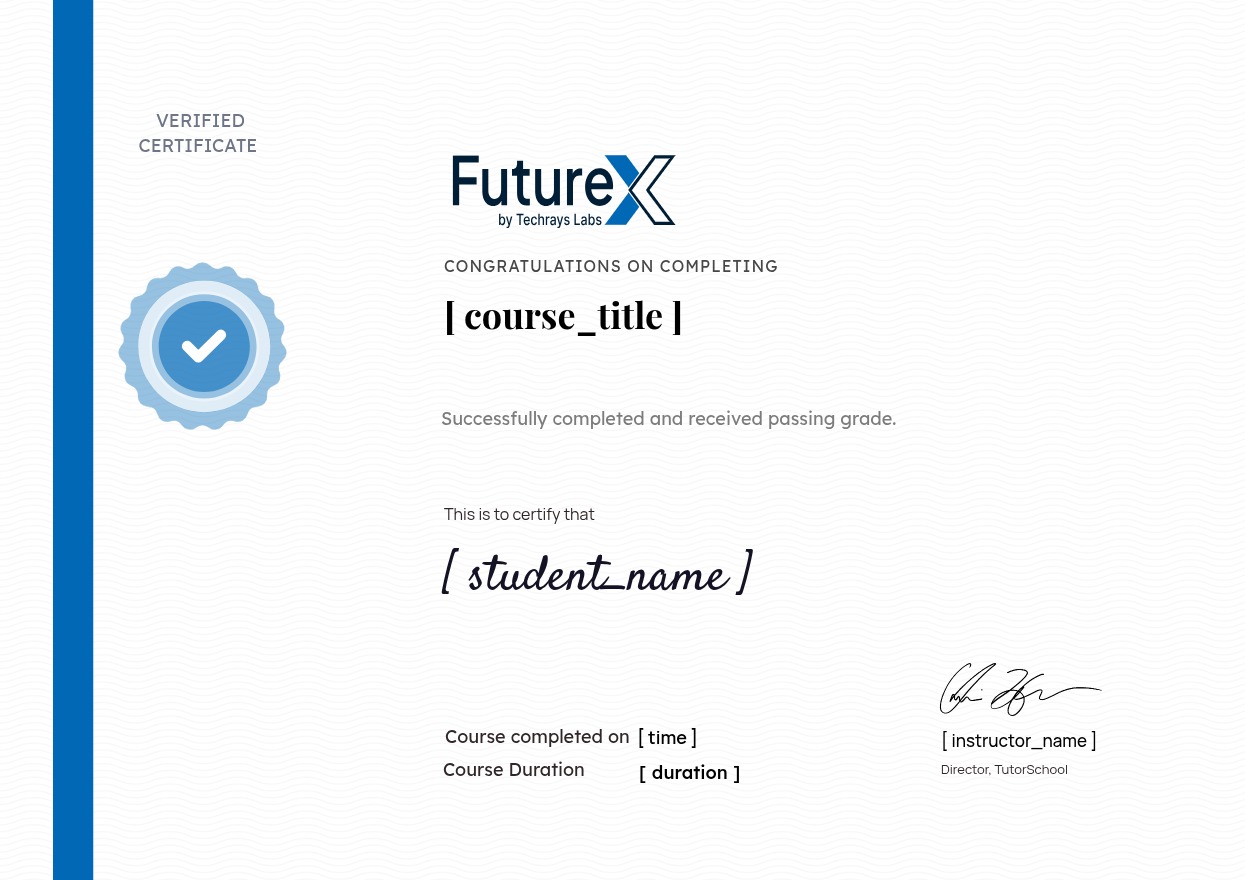
selected template

Student Ratings & Reviews

No Review Yet
No Review Yet