About Course
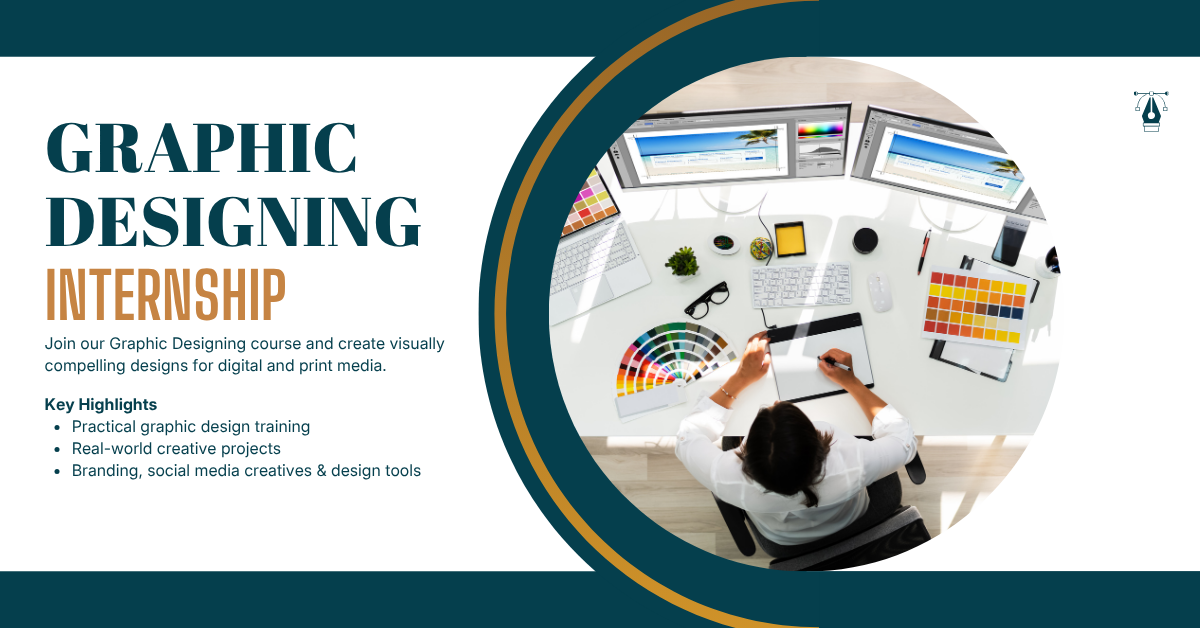
This 6-month Graphic Designing Internship is a comprehensive, professional-level training program designed to transform beginners into industry-ready graphic designers with strong creative thinking, branding expertise, visual communication skills, and real-world design experience using modern industry-standard tools and workflows.
The program follows a structured and progressive learning approach, beginning with fundamental design concepts and gradually advancing toward advanced branding systems, advertising design, UI-focused visuals, digital marketing creatives, motion-based content concepts, and agency-level client projects. It is designed to provide both conceptual mastery and extensive hands-on practical experience through assignments, creative challenges, case studies, portfolio development, and large-scale project-based learning.
🚀 What This Internship Covers
The internship begins with the fundamentals of graphic design, where learners develop a deep understanding of visual communication principles such as typography, color theory, composition, layout design, hierarchy, spacing, contrast, alignment, branding psychology, and creative storytelling. This foundational phase ensures that even beginners with no prior experience can confidently begin their journey into professional design.
Once the fundamentals are established, students gain extensive hands-on experience with industry-standard tools such as Canva, Adobe Photoshop, Adobe Illustrator, and Figma. Learners work on practical projects involving image editing, poster creation, social media design, vector illustration, photo manipulation, branding assets, print media design, UI-based layouts, and marketing creatives through guided exercises and real-world assignments.
The program then transitions into branding and identity design, where learners understand how businesses create strong and consistent visual identities. Students explore logo design principles, typography systems, brand guidelines, packaging concepts, color palettes, stationery design, promotional materials, and digital brand consistency across multiple platforms. They also learn how to build complete visual identity systems for startups and businesses.
As the internship progresses, learners dive deeply into digital marketing and social media design, one of the most in-demand sectors in modern design industries. Students create Instagram posts, stories, carousel designs, YouTube thumbnails, banner advertisements, paid ad creatives, campaign visuals, and content marketing assets optimized for audience engagement and platform performance. They also learn content structuring, visual strategy, and audience-focused design approaches.
Students are also introduced to UI-focused design concepts and modern digital product visuals using Figma. They learn the basics of user interface structure, wireframing concepts, landing page layouts, app screen design, and design consistency for digital products. This broadens their creative capabilities and exposure to modern design industry demands.
In the final phase, learners apply everything they have learned by working on multiple real-world capstone projects. These projects include complete branding systems, social media marketing campaigns, advertisement design collections, UI-based creative layouts, and portfolio-ready commercial projects. Students build a professional portfolio that reflects agency-level quality and practical industry experience.
🧠 Learning Approach
This internship is heavily focused on practical implementation, creativity development, and continuous performance improvement. Each module includes:
-
Structured video/text lessons
-
Guided practical design exercises
-
Real-world branding and marketing projects
-
Creative assignments and challenges
-
Industry case studies and portfolio reviews
-
Mini-projects and commercial design tasks
-
Client-based project simulations
-
Design critique and improvement sessions
-
Portfolio-building activities
-
Final capstone branding and marketing projects
Progression is strictly sequential and skill-oriented, ensuring learners develop strong creative foundations before moving toward advanced branding, commercial, and client-oriented design projects.
🏆 Skills You Will Gain
By the end of this internship, participants will be able to:
-
Understand advanced graphic design principles and workflows
-
Create professional branding and marketing design systems
-
Design high-quality social media, advertising, and promotional creatives
-
Work efficiently with Canva, Photoshop, Illustrator, and Figma
-
Build logos, brand identities, and visual guideline systems
-
Apply typography, composition, and color psychology professionally
-
Create engaging digital marketing and campaign visuals
-
Handle real-world freelance and agency-style projects
-
Understand client communication and professional design presentation
-
Create UI-focused layouts and modern digital visuals
-
Develop strong visual storytelling and creative thinking skills
-
Build a professional industry-ready design portfolio
-
Work confidently on commercial and startup branding projects
🎯 Who This Internship is For
This program is ideal for:
-
Beginners who want to start a career in graphic design
-
Students pursuing creative, multimedia, or digital media fields
-
Freelancers aiming to offer professional design services
-
Content creators and social media managers
-
Entrepreneurs wanting to create business branding assets
-
Aspiring designers preparing for agency or startup roles
-
Individuals interested in branding, marketing, and digital creativity
-
Anyone looking to build a professional design portfolio and freelance career
No prior graphic design experience is required, but creativity, discipline, consistency, and regular practice are essential for successful completion.
💼 Internship Outcome
Upon completion of this internship, learners will have extensive practical experience in graphic design, branding, social media marketing creatives, UI-focused visuals, and client-oriented design workflows. They will possess multiple portfolio-ready commercial projects, including complete branding and digital campaign case studies that can be showcased to agencies, freelance clients, startups, and employers.
Participants will be capable of handling professional graphic design tasks independently and will have significantly improved opportunities in freelance work, internships, agency roles, startup environments, and entry-level to intermediate graphic design careers.
Course Content
Module 1: Introduction to Graphic Design & Design Fundamentals
-
What is Graphic Design?
-
Elements of Design
-
Principles of Design
-
Design Thinking & Creativity
-
Check what have you learnt about Basics of Graphic Design
-
Design Breakdown Portfolio
Module 2: Color Theory & Typography in Graphic Design
Module 3: Layout, Composition & Visual Hierarchy
Module 4: Introduction to Design Tools (Canva, Figma & Adobe Basics)
Module 5: Branding & Logo Design Fundamentals
Module 6: Social Media Design & Marketing Creatives
Module 7: UI/UX Design Fundamentals for Graphic Designers
Module 8: Advanced Photoshop Techniques for Graphic Design
Module 9: Portfolio Building & Freelancing Readiness
Module 10: Final Real-World Project – Complete Branding & Marketing Design System
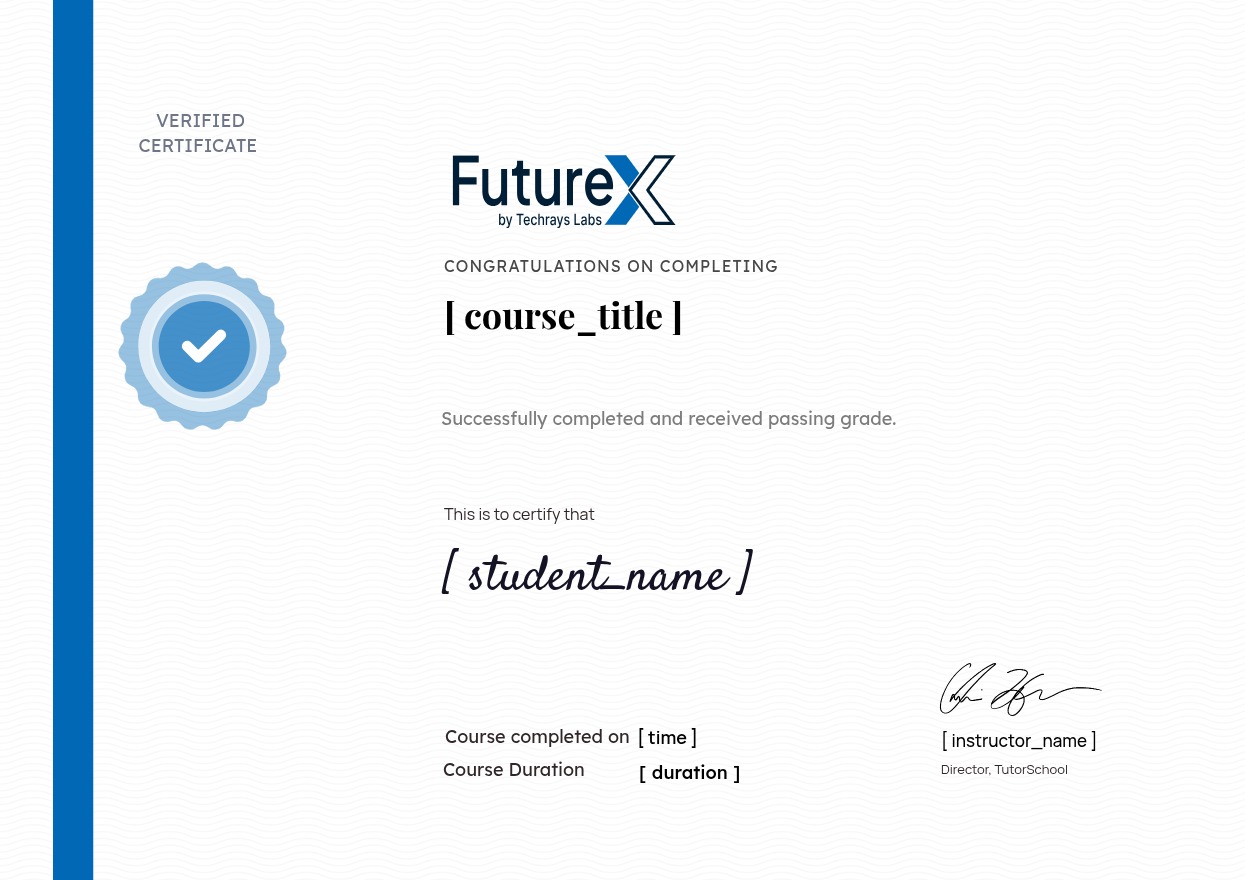
Earn a certificate
Add this certificate to your resume to demonstrate your skills & increase your chances of getting noticed.
Student Ratings & Reviews